Collection: Pu-erh Tea
-
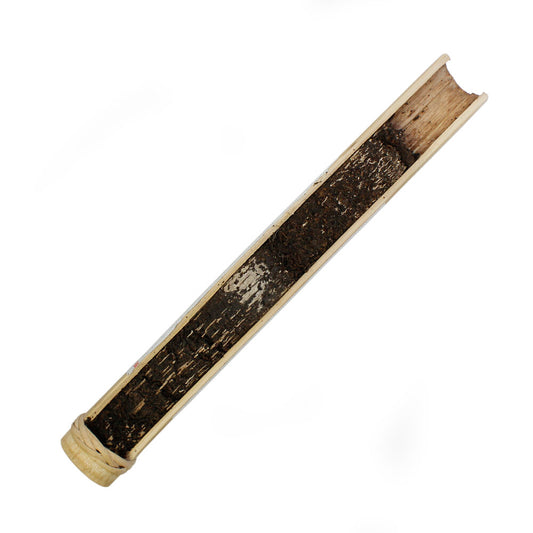
Bamboo Stick Pu-erh, 2003
- peat
- eucalyptus
- lemongrass
Regular price $114.00Regular priceSale price $114.00 -
Blessed Forever Banzhai Bingcha
- marine
- sandalwood
- dried currant
Regular price $171.00Regular priceSale price $171.00 -
Blessed Forever Daxue Bingcha
- sweet hay
- sour plum
- balanced
Regular price $190.00Regular priceSale price $190.00 -
Blue Sea Bingcha
- dried peach
- sugared pecan
- shiitake
Regular price $68.00Regular priceSale price $68.00 -
Earl Grey Reserve
- citrus
- earthy
- complex
4.8 / 5.0
(5) 5 total reviews
Regular price $21.50Regular priceSale price $21.50 -
-
-
Green Tangerine Pu-erh
- orange blossom
- bamboo
- pomander
4.67 / 5.0
(3) 3 total reviews
Regular price $24.25Regular priceSale price $24.25 -
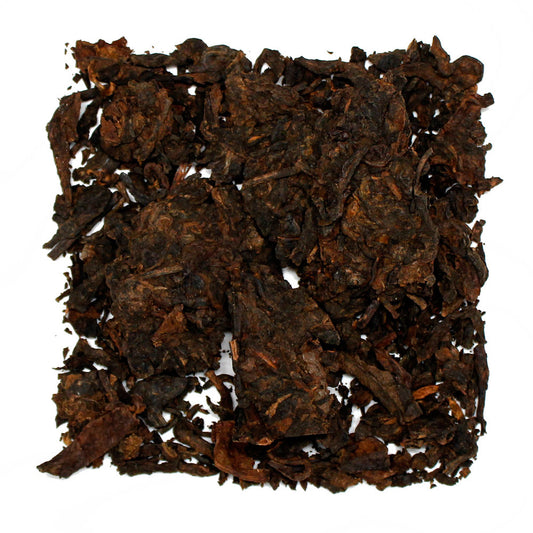
Horse Shu Pu-erh Bamboo Stick, 2017
- clay
- sugarcane
- sandalwood
4.5 / 5.0
(2) 2 total reviews
Regular price $51.00Regular priceSale price $51.00 -
Jingmai Brick 2004
- rose
- wood
- balanced
4.0 / 5.0
(1) 1 total reviews
Regular price $336.00Regular priceSale price $336.00 -
Jingmai Old Forest Bingcha (200 g)
- gardenia
- hazelnut
- pine resin
Regular price $70.00Regular priceSale price $70.00 -
-
-
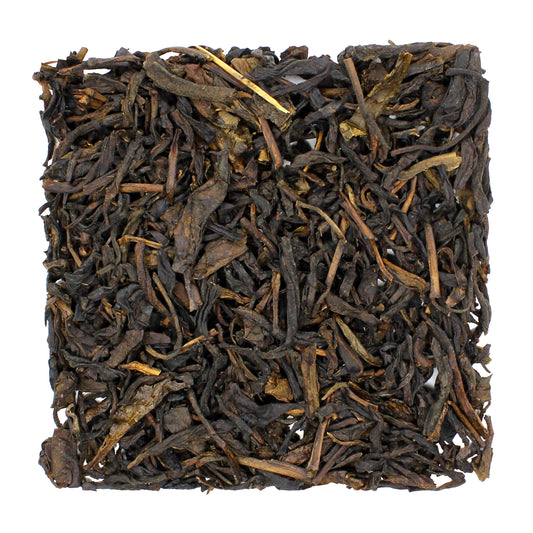
Lu'an Heicha
- beet
- balsamic
- forest floor
5.0 / 5.0
(1) 1 total reviews
Regular price $198.00Regular priceSale price $198.00 -
-
Sheng Cupcake Pu-erh
- sour plum
- apple
- wood
4.86 / 5.0
(7) 7 total reviews
Regular price $14.00Regular priceSale price $14.00
Aged and fermented
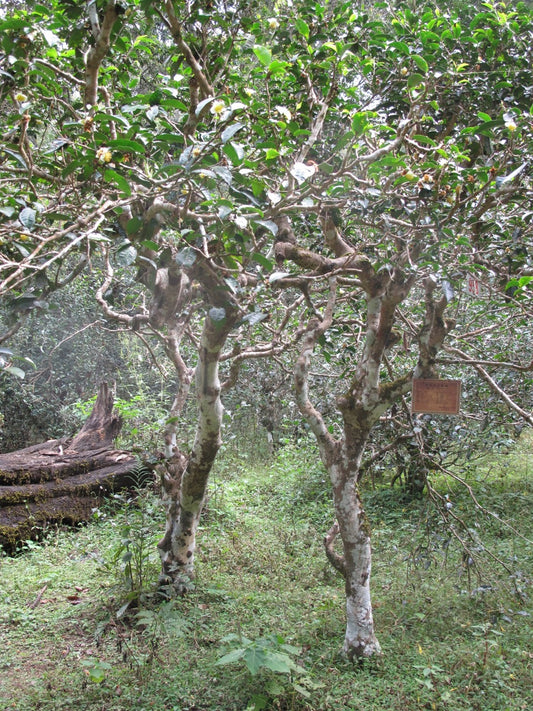
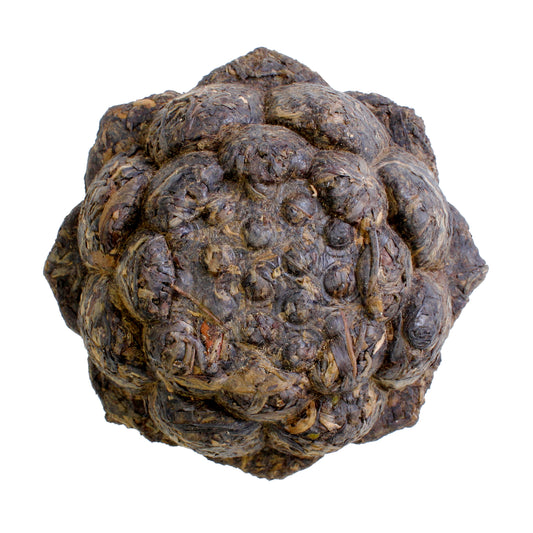
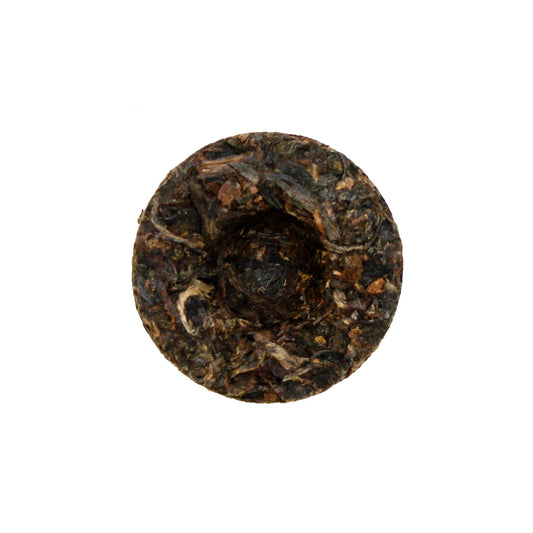
A subcategory of dark tea, or heicha, pu-erh is a post-fermented tea made from Yunnan Province. This tea is often aged, which mellows and refines its flavor and character. It is made either as loose leaf or pressed into a myriad of shapes, such as round cakes (bingcha), rectangular bricks, and a birds' nest bowl (tuocha).
There are two main steps in production: The first is making a base tea (mao cha), and the second is post-fermenting and often compressing it. Pu-erh produced before the 1970s was made from sun-dried green tea and naturally aged, a process that is now known as sheng, green or raw. In 1973, a technique for accelerating the process of aging and changing the character of the tea was developed by the Kunming Factory. This process is called wo dui and involves increasing the moisture level as well as the temperature of the tea to speed up the fermentation. These pu-erhs are referred to as shu, brown, or cooked pu-erh.


